
Best Credit Cards for Families in the UAE
For households where groceries, school fees, utilities, and everyday essentials make up the bulk of card spend, these cards return the most value per year. High earn rates on supermarkets and education, combined with low or waived fees, can turn routine family expenses into meaningful annual returns. Rankings cover salary tiers from AED 5,000 to AED 50,000 and above, reflecting the spending patterns typical at each income level.
What Is A Family Credit Card?
Family credit cards in the UAE reward spending on groceries, school fees, utilities, and everyday household expenses. Cashback is typically credited to your statement monthly or quarterly, while points-based programs let you redeem for vouchers, merchandise, or travel. CreditSouq ranks these cards by Net Economic Value, calculating estimated annual returns based on typical family spending patterns across salary tiers and accounting for annual fees.
Do You Need A Family Credit Card?
These cards suit households where supermarket runs, school payments, and utility bills make up the majority of monthly card spend. For example, a family spending AED 3,000 monthly on groceries and education can earn significantly more with a 10% category rate than with a 1% flat-rate card. If your household spend is concentrated on dining out or international shopping rather than essentials, a lifestyle or travel card may deliver better value.
Tips for Family Card Spending
Grocery and school fee earn rates matter more than headline cashback rates for household budgets because these categories often represent the largest share of monthly spend. Supplementary cards let a spouse earn rewards on the same account, doubling your effective spend without a second annual fee. School processing fees can erase rewards if the education earn rate is low, so check whether your card treats education as a bonus category or baseline rate before paying tuition by card.
Best Credit Cards for AED 5,000 Monthly Salary
At AED 5,000 monthly salary, the top family cards prioritise no-fee or low-fee structures with strong supermarket, education, and utility earning. Fee-free cards dominate this tier because annual fees of AED 420 or more require significant household spend to justify. The key trade-off is between uncapped 10% cashback on groceries, bills, and school fees versus no-fee cards with lower baseline rates but welcome bonuses and monthly perks.
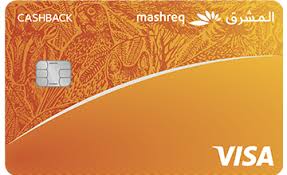
If you want a no-fee card with a strong welcome bonus and monthly perks, this card delivers AED 500 cashback when you spend AED 5,000 in 60 days, plus up to 4 free movie tickets monthly. One of the few cards at this salary level that offers 0.33% on education and utilities with no annual fee.
Also available as an Islamic/Sharia-compliant version (Mashreq Al Islami Cashback Islamic Credit Card).
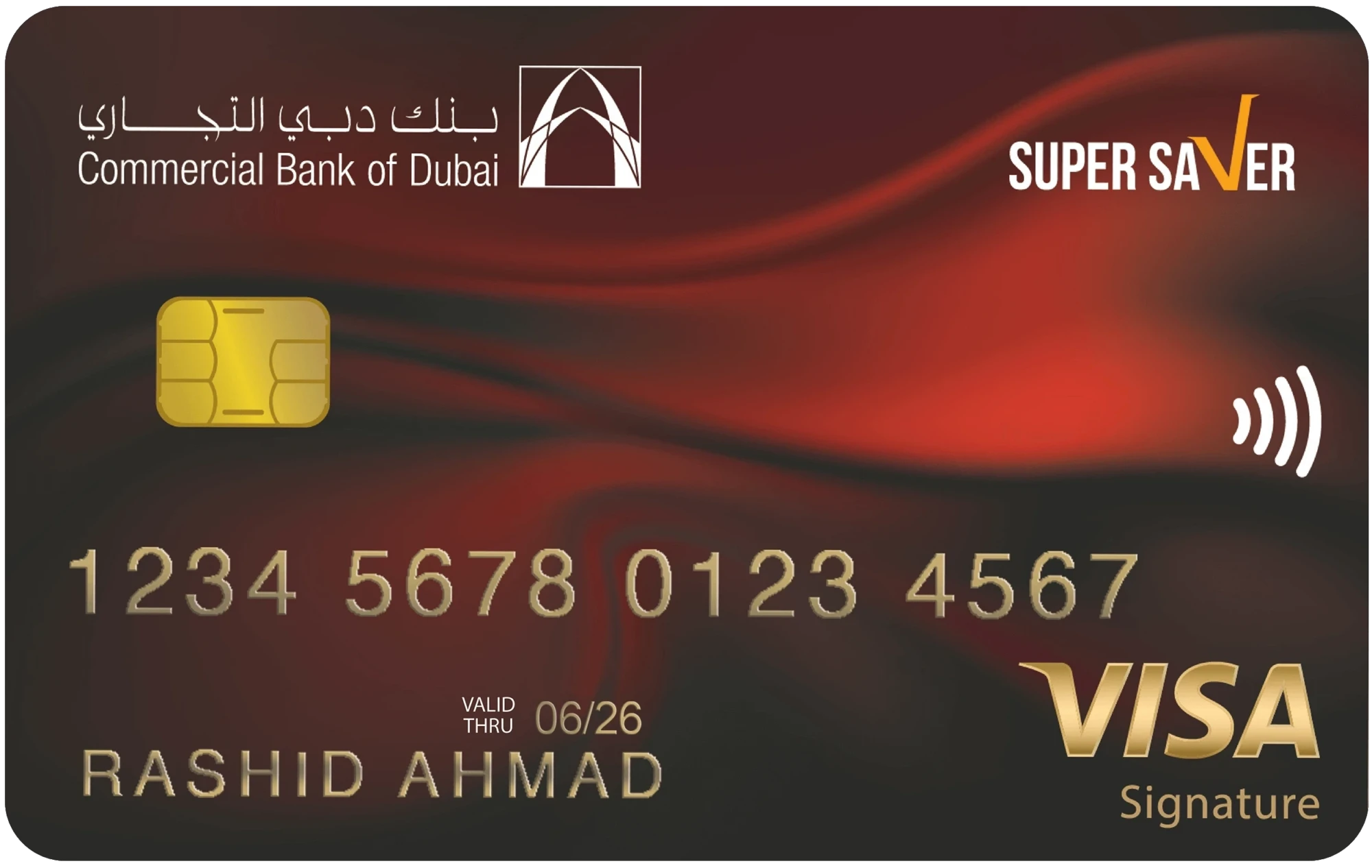
If you spend heavily on supermarkets, school fees, and household bills, this card earns 10% cashback on all three categories with no monthly caps. The only card at this salary level offering double-digit cashback on education, groceries, and utilities, though the AED 420 annual fee requires consistent household spending to offset.
Also available as an Islamic/Sharia-compliant version (CBD Al Islami Super Saver Islamic Credit Card).
If you prefer a no-fee card with a large upfront bonus, this card offers AED 750 welcome cashback when you spend AED 5,000 in 45 days, plus 2 free movie tickets monthly. Rare at this salary level for combining zero annual fee with a three-figure welcome bonus, though education and grocery earning is limited to 0.35%.
Also available as an Islamic/Sharia-compliant version (ADCB Islamic talabat Islamic Credit Card).
Best Credit Cards for AED 10,000 Monthly Salary
At AED 10,000 monthly salary, the top family cards prioritise supermarket cashback, school fee earning, and utility rewards without requiring high monthly spend to justify annual fees. Two of the three cards charge no annual fee, while the one paid card delivers 10% cashback on groceries, education, and bills. The key trade-off is between the CBD card's higher category-specific rates with an AED 420 annual fee and the no-fee alternatives that offer lower baseline earning but include free movie tickets and Entertainer subscriptions.
If you spend regularly at supermarkets and pay school fees or university tuition, this card returns 10% cashback on groceries, education, and utility bills. One of the few cards at this salary level that rewards education spending at double-digit rates without a monthly cap.
Also available as an Islamic/Sharia-compliant version (CBD Al Islami Super Saver Islamic Credit Card).

If you order groceries and meals through noon platforms, this no-fee card returns 20% on noon food, 10% on nownow, and 5% on noon minutes. Rare at this salary level to combine zero annual fee with up to 3 free movie tickets monthly.
If you prefer uncapped earning across all household spending categories, this no-fee card delivers 1% cashback on general purchases and 5% on local dining. The only card here offering up to 4 free movie tickets monthly alongside a free Entertainer subscription.
Also available as an Islamic/Sharia-compliant version (Mashreq Al Islami Cashback Islamic Credit Card).
Best Credit Cards for AED 25,000 Monthly Salary
At AED 25,000 monthly salary, the top family cards deliver 10% cashback on supermarkets and education, or strong grocery earn rates with fee waivers. Annual fees become waivable at this income level, making premium cards with school fee and grocery rewards accessible. The choice comes down to uncapped 10% cashback on household categories versus capped supermarket rates with broader dining and travel perks.
If you pay school fees or university tuition and shop regularly at supermarkets, this card earns 10% cashback on education and 10% on supermarkets with no monthly caps. One of the few cards at this salary level that treats education as a top-tier category alongside groceries and bills.
Also available as an Islamic/Sharia-compliant version (CBD Al Islami Super Saver Islamic Credit Card).
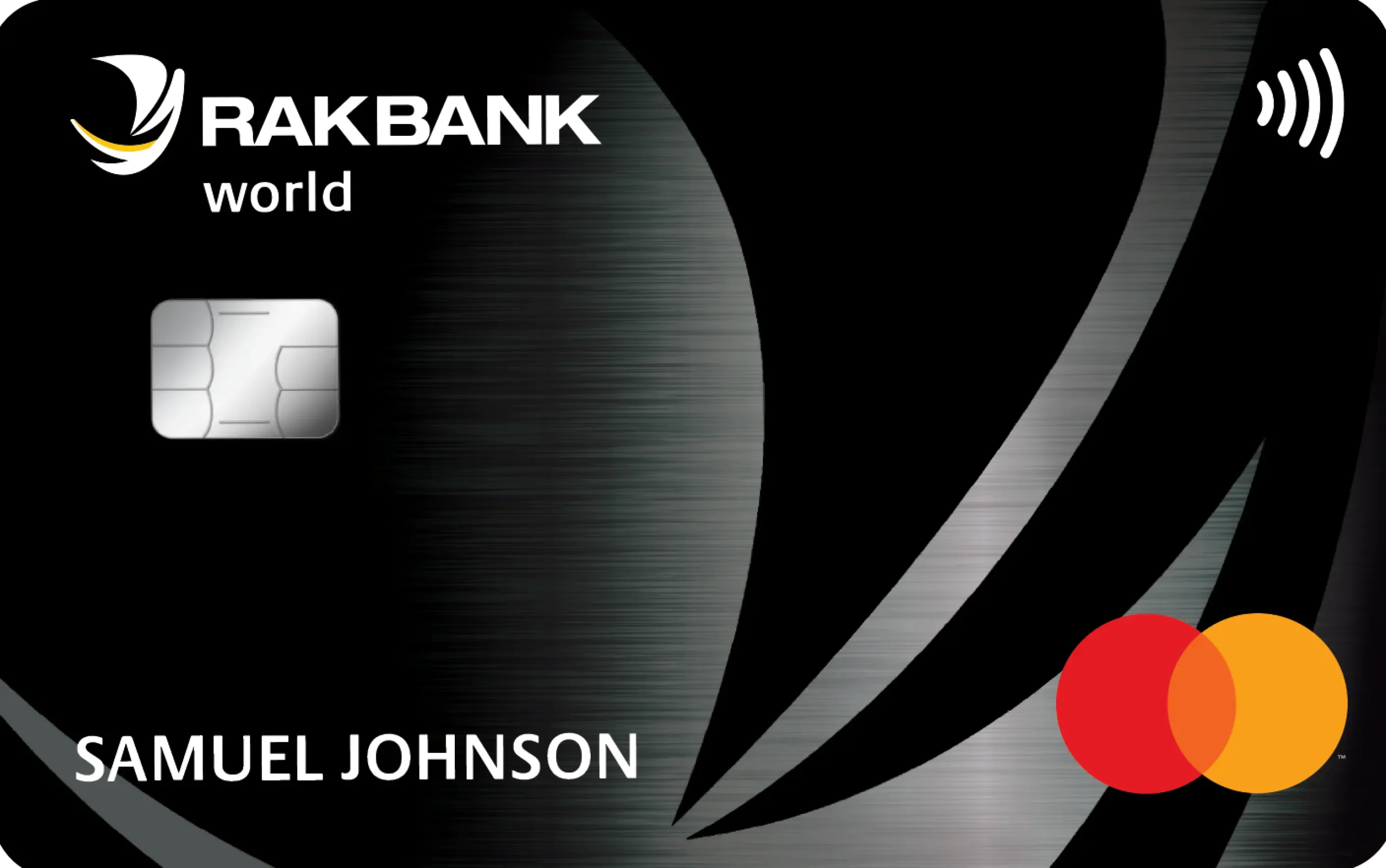
If you meet the AED 7,500 spend in 60 days for the AED 750 welcome bonus and shop at supermarkets regularly, you earn 10% on groceries up to AED 300 monthly with a waived annual fee. The only card here that combines a fee waiver at this salary level with strong supermarket cashback and low FX markup.
Also available as an Islamic/Sharia-compliant version (RAKBANK Islamic World Islamic Credit Card).
ADIB SHARE Visa Infinite Islamic Credit Card
See all ADIB cards
Sharia-compliant
If you spend heavily on groceries and shopping, this card earns 1.2 SHARE Points per AED in those categories with no monthly caps and a waived annual fee at this salary level. Rare at this price point to combine uncapped grocery rewards with a 10,000 point welcome bonus and complimentary valet parking.
Best Credit Cards for AED 50,000+ Monthly Salary
At AED 50,000+ monthly salary, the top family cards split between high-earning points programs with education and grocery rates, and uncapped cashback cards with 10% on supermarkets and school fees. The ADIB Etihad cards charge AED 2,100 to AED 3,150 annually but earn 0.25 points per AED on education, groceries, and utilities, while the CBD Super Saver charges just AED 420 and delivers 10% cashback on the same categories with no monthly cap. The choice comes down to whether you value miles and travel perks or prefer direct cashback with a low annual fee.
ADIB Etihad Guest Visa Infinite Islamic Credit Card
See all ADIB cards
Sharia-compliant
If you pay school fees and university tuition regularly, this card earns 0.25 points per AED on education, groceries, and utilities, categories where many premium cards offer no bonus at all. One of the few cards at this salary level that combines household category earning with Etihad Gold Tier status and a companion ticket.
ADIB Etihad Guest Visa Platinum Islamic Credit Card
See all ADIB cards
Sharia-compliant
If you want education and grocery earning at a lower fee than the Infinite, this card delivers the same 0.25 points per AED on education, groceries, and utilities for AED 2,100 annually. You also receive 50,000 Etihad Guest miles after spending just AED 1 in the first 30 days, rare for a card with household category rates.
If you spend heavily on school fees, supermarkets, and household bills, this card returns 10% cashback on education, supermarket, and bills with no monthly cap. At AED 420 annually, the fee is a fraction of what points-earning cards charge for similar household category coverage.
Also available as an Islamic/Sharia-compliant version (CBD Al Islami Super Saver Islamic Credit Card).
How Do We Rank Credit Cards?
Net Economic Value estimates the yearly return you keep after rewards and fees. Spend assumptions are modelled per salary tier to reflect typical family budgets, not personalised to your exact household. Category mix, monthly caps, fee waivers, and annual fees all shift the ranking. Use the card finder to enter your own grocery, education, and utility spend for a tailored result.
For more information, see how it works.
Find more cards with our card finder tool.
Further Reading
Managing household costs on AED 5,000, including groceries and school fees? Our salary-specific card guide covers the best options. Keeping costs low matters for family budgets. See our no annual fee guide for zero-cost card options. To get more from your everyday spending, read our value maximisation guide on optimising returns.
Frequently Asked Questions
Can I use my credit card for school fee payments in the UAE?
Most UAE schools accept credit card payments, though some charge a processing fee of 2% to 3%. Check your card's education earn rate before paying tuition by card, as a low rate combined with a processing fee can result in a net loss rather than rewards.
How do annual fee waivers work on family credit cards?
Many UAE banks waive the annual fee if you meet a minimum yearly spend threshold, typically AED 50,000 to AED 120,000, or if your salary is credited to the issuing bank. Some entry-level family cards carry no annual fee at all, making them accessible for lower salary tiers.
What is FX markup and how does it affect my grocery or online shopping?
FX markup is a currency conversion fee, usually 2% to 3%, charged when you pay in a currency other than AED. It applies to international online purchases and overseas transactions, reducing your effective earn rate on those spends.
Are there Islamic or Sharia-compliant family credit cards in the UAE?
Yes, several UAE banks offer Sharia-compliant cards that reward groceries, education, and utilities without interest-based structures. These cards use profit-sharing or fee-based models and often deliver comparable earn rates and annual fees to conventional alternatives.
How do reward caps work and will I hit them with family spending?
Some cards cap cashback or points per category per month, for example AED 300 on supermarkets or AED 125 on education. If your monthly grocery spend exceeds the cap threshold, additional spend earns at a lower baseline rate, so compare total annual return rather than headline rates alone.
Do supplementary cards earn the same rewards as the primary card?
Yes, supplementary cards typically earn at the same rate and contribute to the same reward pool and caps as the primary card. This lets a spouse or family member help you reach spend thresholds or maximise category bonuses without opening a separate account.
How do I compare a card with higher grocery rates but also a higher annual fee?
Calculate the extra cashback or points you will earn on your actual monthly grocery, education, and utility spend, then subtract the annual fee difference. If the net gain is positive and meaningful, the higher-fee card delivers better value, otherwise a no-fee or lower-fee card may be the smarter choice.
Try our recommendation tool with your own numbers. Try our Card Finder →
Explore Other Categories
Best Cashback Cards · Best Travel Cards · Best Lifestyle Cards